
Bariatric surgery
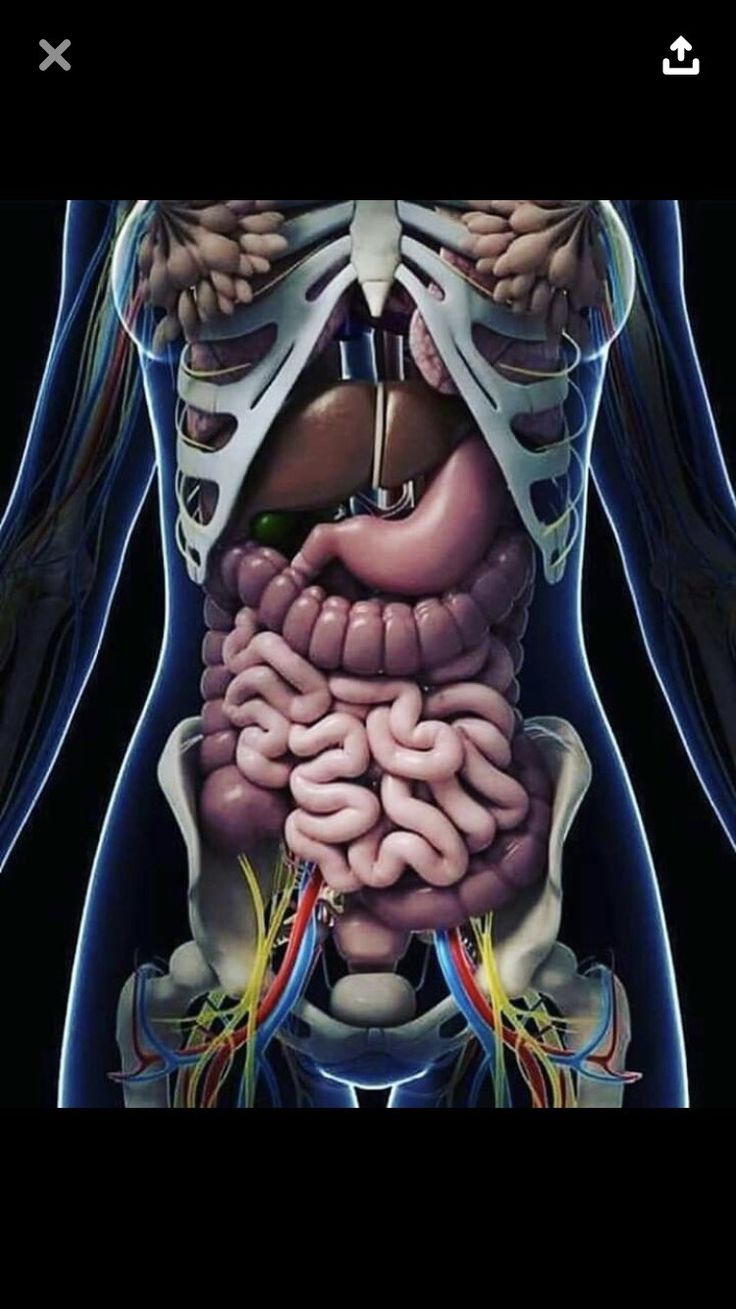
Bariatric surgery, also known as weight loss surgery or metabolic surgery, is a procedure that modifies the digestive system to help individuals with obesity lose weight and improve related health conditions.
What is Bariatric surgery?
Bariatric surgery, also known as weight loss surgery or metabolic surgery, is a procedure that modifies the digestive system to help individuals with obesity lose weight and improve related health conditions. It's considered when other weight loss methods like diet and exercise have been unsuccessful or when obesity poses a significant health risk.
Types of Bariatric surgery:
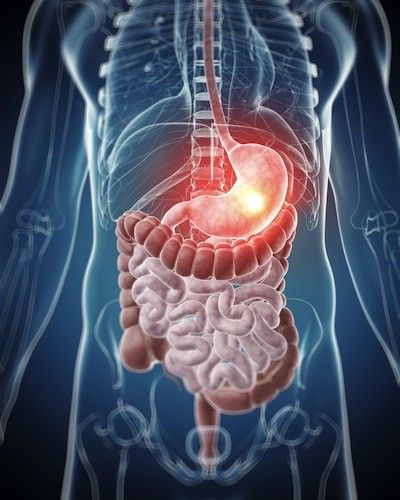
Gastric Bypass: This procedure reduces the stomach's size and alters the digestive tract to limit food intake and calorie absorption.
Sleeve Gastrectomy: A portion of the stomach is removed, creating a smaller, tube-like stomach pouch, which restricts food intake.
Adjustable Gastric Banding: A band is placed around the upper part of the stomach to create a smaller pouch, limiting the amount of food that can be eaten.
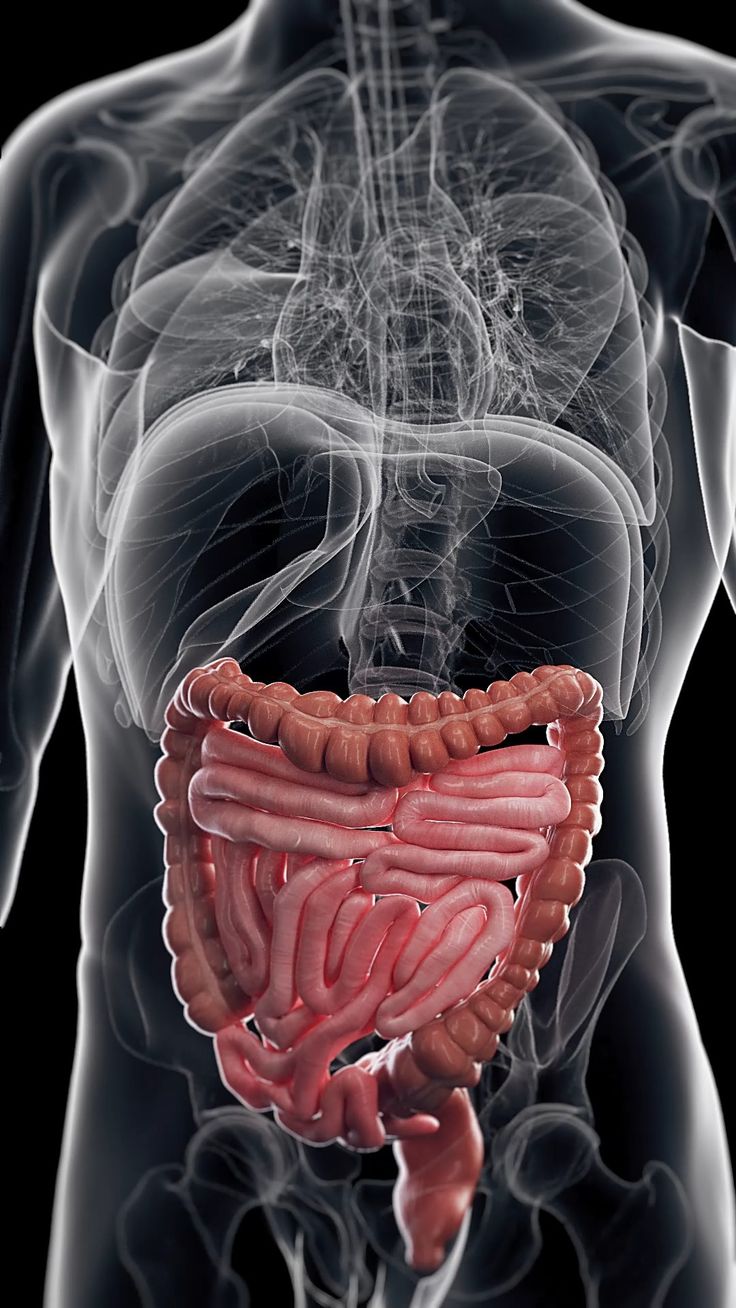
Biliopancreatic Diversion: This procedure bypasses a significant portion of the small intestine, reducing nutrient and calorie absorption.



Symptoms:
Procedure:
A. Gastric Bypass (Roux-en-Y)
Anesthesia: General anesthesia is administered.
Small stomach pouch creation: A small pouch (~30ml) is created from the upper stomach.
Bypass: The small intestine is divided; the lower part is connected to the stomach pouch.
Reconnection: The upper part of the intestine is connected further down the intestine to allow digestive juices to mix with food.
Closure: Incisions are closed; often done laparoscopically.
B. Sleeve Gastrectomy
Anesthesia: General anesthesia.
Stomach reduction: ~75-80% of the stomach is removed, leaving a sleeve-shaped stomach.
Closure: The stomach is sealed with staples; surgery is usually laparoscopic.
C. Adjustable Gastric Banding
Anesthesia: General anesthesia.
Band placement: A silicone band is placed around the upper stomach to create a small pouch.
Adjustment port: A port is placed under the skin to adjust the band tightness via saline injection.
D. Biliopancreatic Diversion with Duodenal Switch (BPD/DS)
Sleeve gastrectomy: Similar to sleeve procedure to reduce stomach size.
Intestinal bypass: Large portion of small intestine is bypassed, reducing calorie absorption.
Reattachment: Food stream and bile/pancreatic stream are reconnected closer to the colon.
Recovery:
Recovery after bariatric surgery typically involves a gradual return to normal activities, starting with a liquid diet and progressing to solid foods over several weeks. Hospital stays are usually short, followed by a period of home recovery where patients need to manage their diet and activity levels. Full recovery, including returning to work, can take several weeks, often around 4-6 weeks, depending on the type of surgery and individual recovery progress.
With any financial product that you buy, it is important that you know you are getting the best advice from a reputable company as often
With any financial product that you buy, it is important that you know you are getting the best advice from a reputable company as often
With any financial product that you buy, it is important that you know you are getting the best advice from a reputable company as often
With over 90% of health decisions based on diagnostic results, we are committed to being a trusted healthcare partner. Contact Us

Helping Patients Around the Globe!!
Building Positive & Safe Patient Focused Culture.
With the belief that knowledge is power, we empower patients by delivering clear and timely surgical outcomes, ensuring they have the vital information they need when it matters most. We care deeply about our patients and are committed to excellence in every procedure.

Name of the Founder

-
Health, Wellness and Insurance
-
97% customer satisfaction rate
-
Family Scholarship Program
While we believe we are more than just numbers, the depth of our laboratories is pretty impressive.
At every step of the surgical process, from consultation to recovery, we provide compassionate, efficient, reliable, and high-quality services. As a trusted partner supporting patients, healthcare providers, and entire healthcare systems, we leverage our surgical expertise to offer the best possible care while continuously investing in advanced surgical technology.
We will collaborate with you to develop personalized surgical plans, including the management of pre-existing conditions and postoperative care. If we are unable to assist directly, we can provide referrals or advice on the appropriate specialist to ensure all your concerns are addressed with the utmost care and sensitivity.
With any financial product that you buy, it is important that you know you are getting the best advice from a reputable company as often
With any financial product that you buy, it is important that you know you are getting the best advice from a reputable company as often
With any financial product that you buy, it is important that you know you are getting the best advice from a reputable company as often