
Esophagectomy
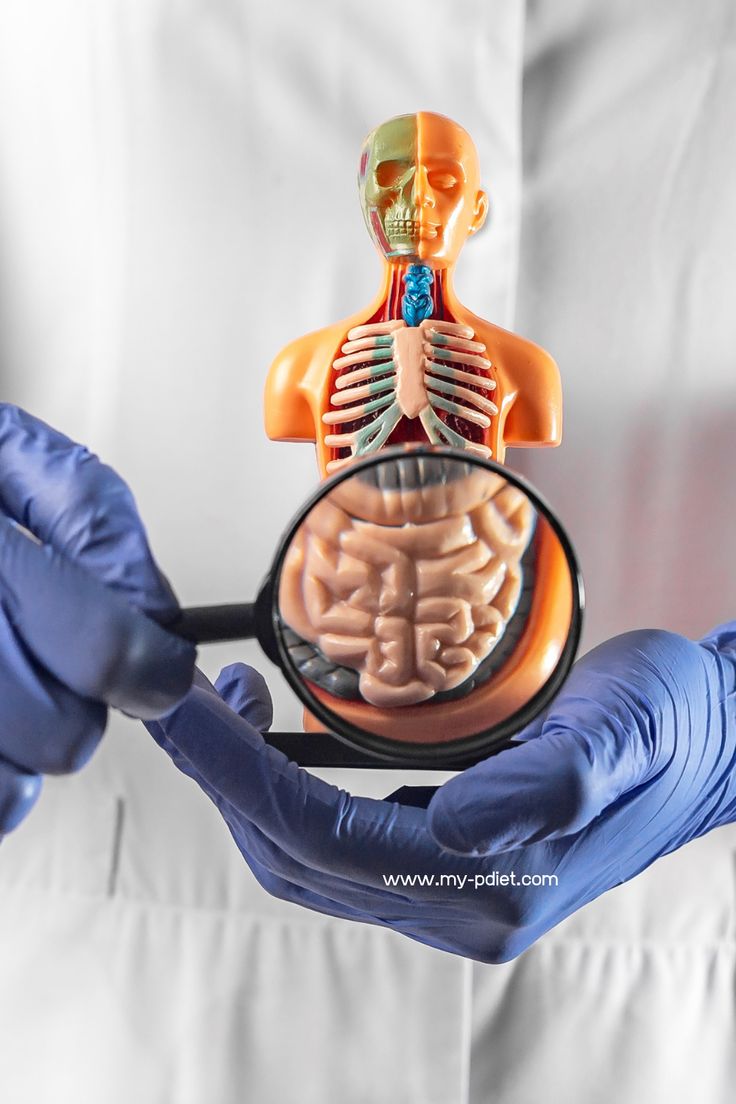
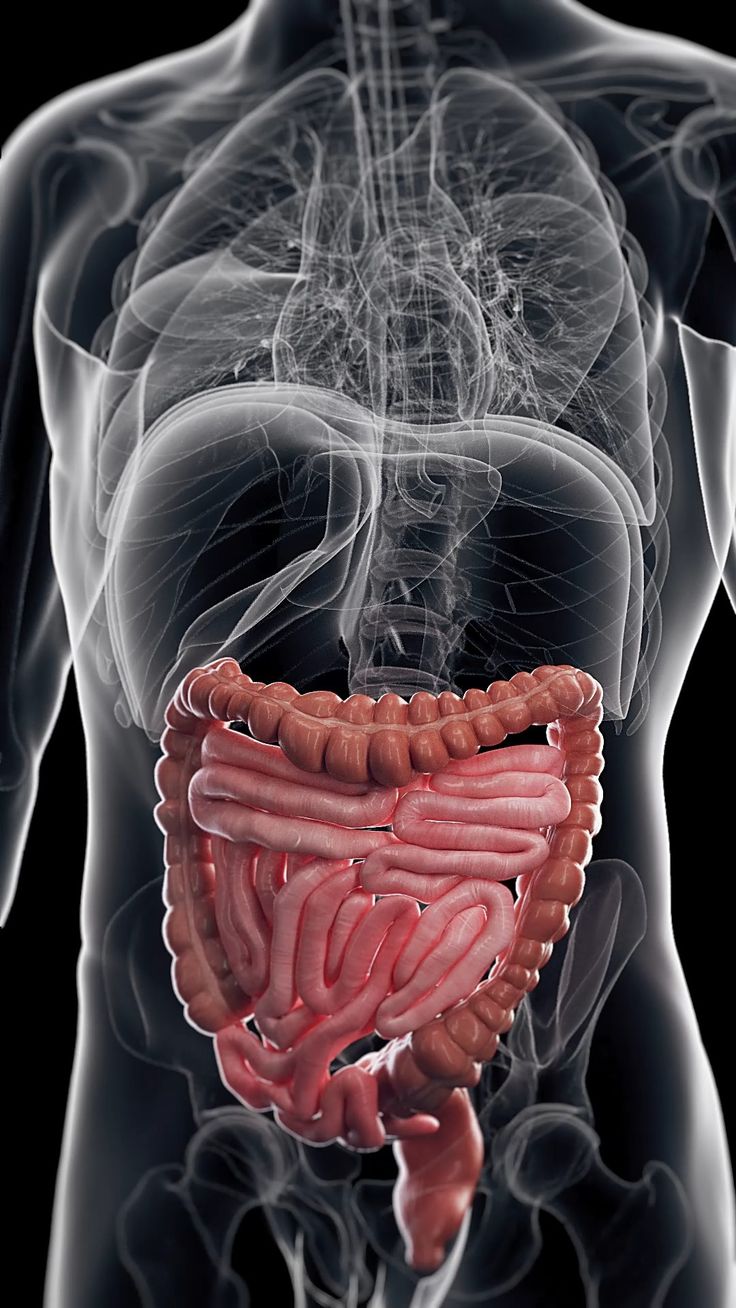
Esophagectomy is a surgical procedure involving the removal of all or part of the esophagus, the tube that carries food from the throat to the stomach.
What is Esophagectomy
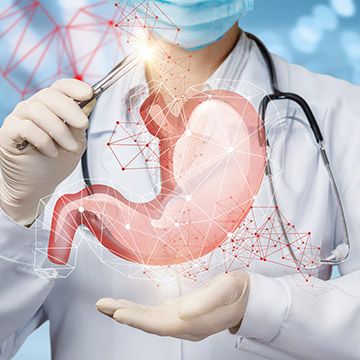
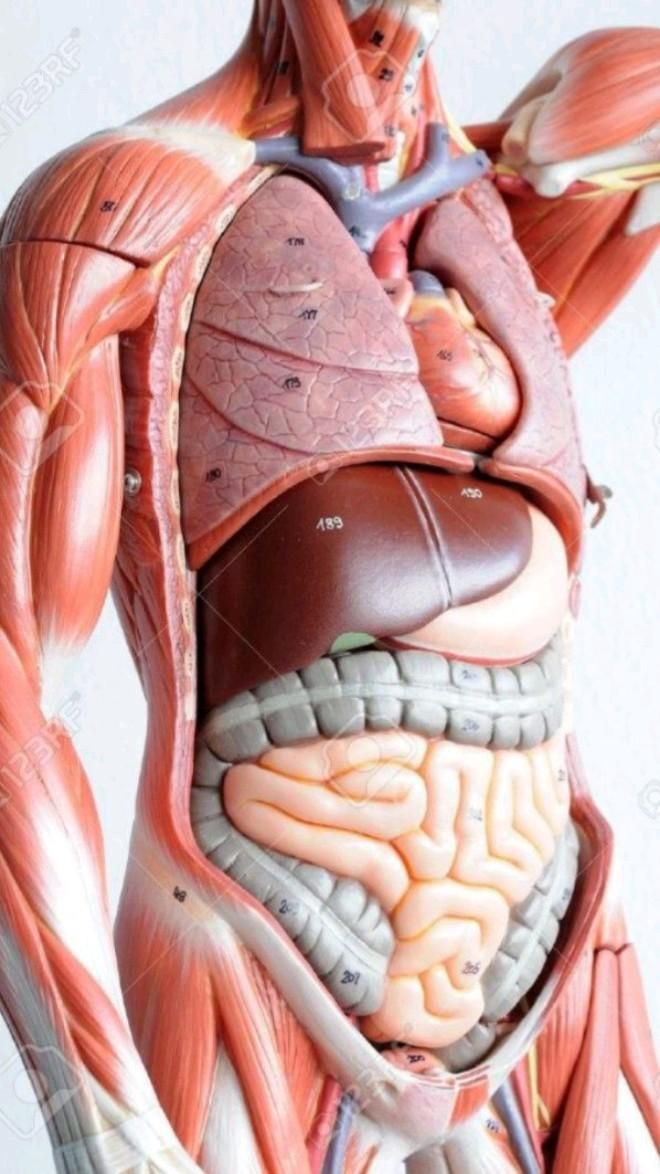
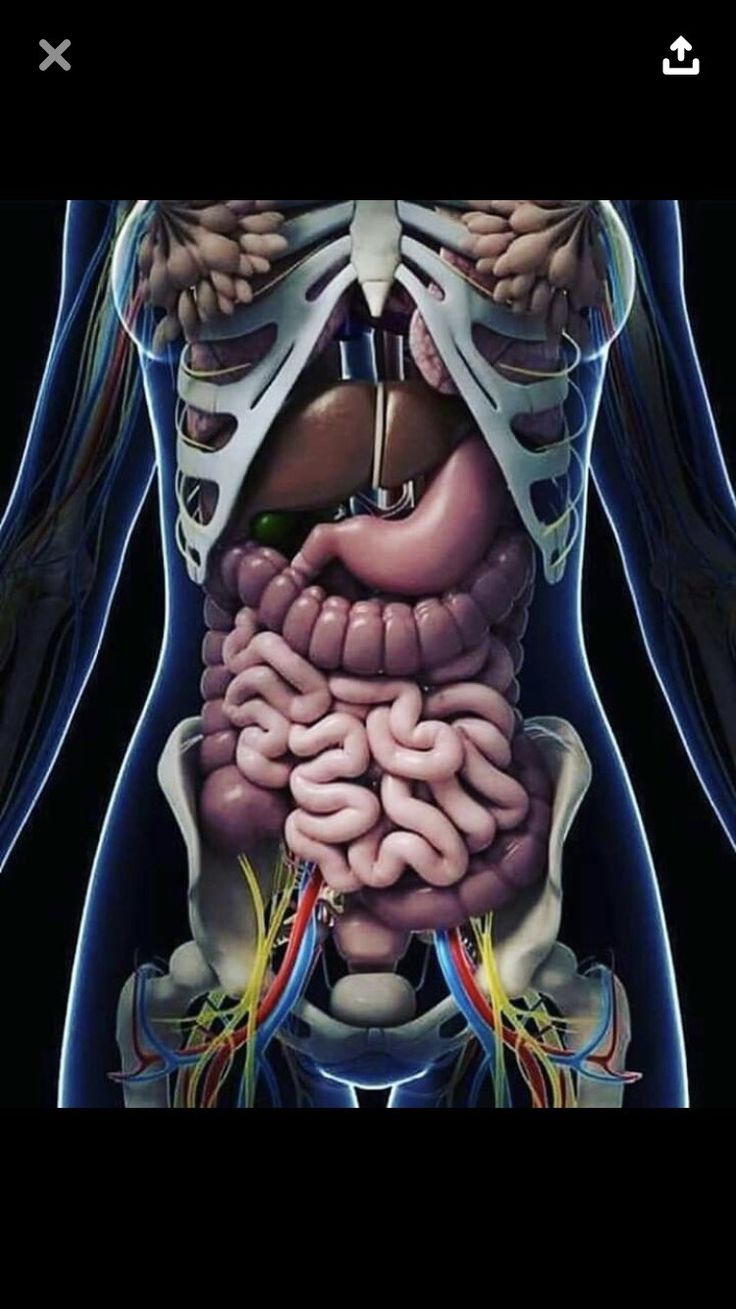
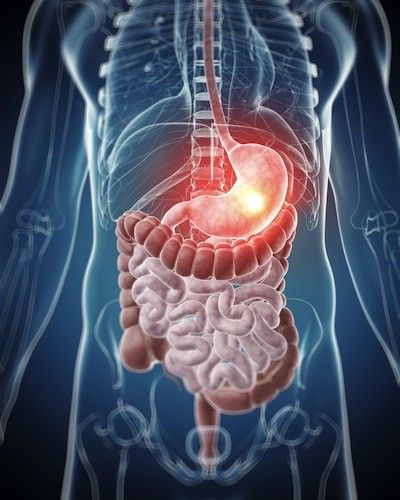
Esophagectomy is a surgical procedure involving the removal of all or part of the esophagus, the tube that carries food from the throat to the stomach. It's primarily used to treat esophageal cancer and sometimes for other conditions where the esophagus is severely damaged or non-functional. The surgery often involves reconstructing the esophagus by using a portion of the stomach or another organ to create a new path for food.
Types of Esophagectomy:
Transhiatal Esophagectomy: This approach involves incisions in the neck and abdomen, without a thoracotomy (incision in the chest). It's often used for tumors in the lower esophagus.
Ivor Lewis Esophagectomy: This method uses incisions in the abdomen and chest (right thoracotomy). It's commonly used for tumors in the middle and lower esophagus.
McKeown Esophagectomy: Also known as the three-incision esophagectomy, this approach involves incisions in the abdomen, right chest, and left neck. It's sometimes preferred for tumors higher in the esophagus.
Thoracoabdominal Esophagectomy: This approach involves a single incision from the chest to the abdomen, and potentially another incision in the neck.
Minimally Invasive Esophagectomy (MIE): This technique involves smaller incisions and uses laparoscopic tools to perform the surgery.
Symptoms:
Procedure:
1. Anesthesia: The patient is given general anesthesia to ensure they are unconscious and pain-free during the surgery.
2. Incision: Depending on the type of esophagectomy (open, laparoscopic, or robotic), the surgeon will make one or more incisions in the neck, chest, or abdomen to access the esophagus.
3. Esophagus and Lymph Node Removal: The surgeon removes the portion of the esophagus containing the cancer, as well as nearby lymph nodes that may be affected by the cancer.
4. Reconstruction: The remaining esophagus is then connected to the stomach or a section of the colon to restore the digestive tract's continuity.
5. Closure: The incisions are closed with sutures, and drains may be placed to help with fluid drainage and promote healing.
Recovery:
Recovery from esophagectomy, the surgical removal of all or part of the esophagus, is a lengthy process involving a combination of hospital stays, feeding tube use, and gradual dietary changes. Patients typically spend 7 to 14 days in the hospital, with the first few days potentially spent in the ICU. Recovery also involves gradually increasing physical activity, managing eating habits, and monitoring for complications.
With any financial product that you buy, it is important that you know you are getting the best advice from a reputable company as often
With any financial product that you buy, it is important that you know you are getting the best advice from a reputable company as often
With any financial product that you buy, it is important that you know you are getting the best advice from a reputable company as often
With over 90% of health decisions based on diagnostic results, we are committed to being a trusted healthcare partner. Contact Us
Helping Patients Around the Globe!!
Building Positive & Safe Patient Focused Culture.
With the belief that knowledge is power, we empower patients by delivering clear and timely surgical outcomes, ensuring they have the vital information they need when it matters most. We care deeply about our patients and are committed to excellence in every procedure.

Name of the Founder
-
Health, Wellness and Insurance
-
97% customer satisfaction rate
-
Family Scholarship Program
While we believe we are more than just numbers, the depth of our laboratories is pretty impressive.
At every step of the surgical process, from consultation to recovery, we provide compassionate, efficient, reliable, and high-quality services. As a trusted partner supporting patients, healthcare providers, and entire healthcare systems, we leverage our surgical expertise to offer the best possible care while continuously investing in advanced surgical technology.
We will collaborate with you to develop personalized surgical plans, including the management of pre-existing conditions and postoperative care. If we are unable to assist directly, we can provide referrals or advice on the appropriate specialist to ensure all your concerns are addressed with the utmost care and sensitivity.
With any financial product that you buy, it is important that you know you are getting the best advice from a reputable company as often
With any financial product that you buy, it is important that you know you are getting the best advice from a reputable company as often
With any financial product that you buy, it is important that you know you are getting the best advice from a reputable company as often