
Whipple procedure
The Whipple procedure, also known as pancreaticoduodenectomy, is a major surgical procedure used primarily to treat pancreatic cancer, particularly tumors in the head of the pancreas.
What is Whipple procedure
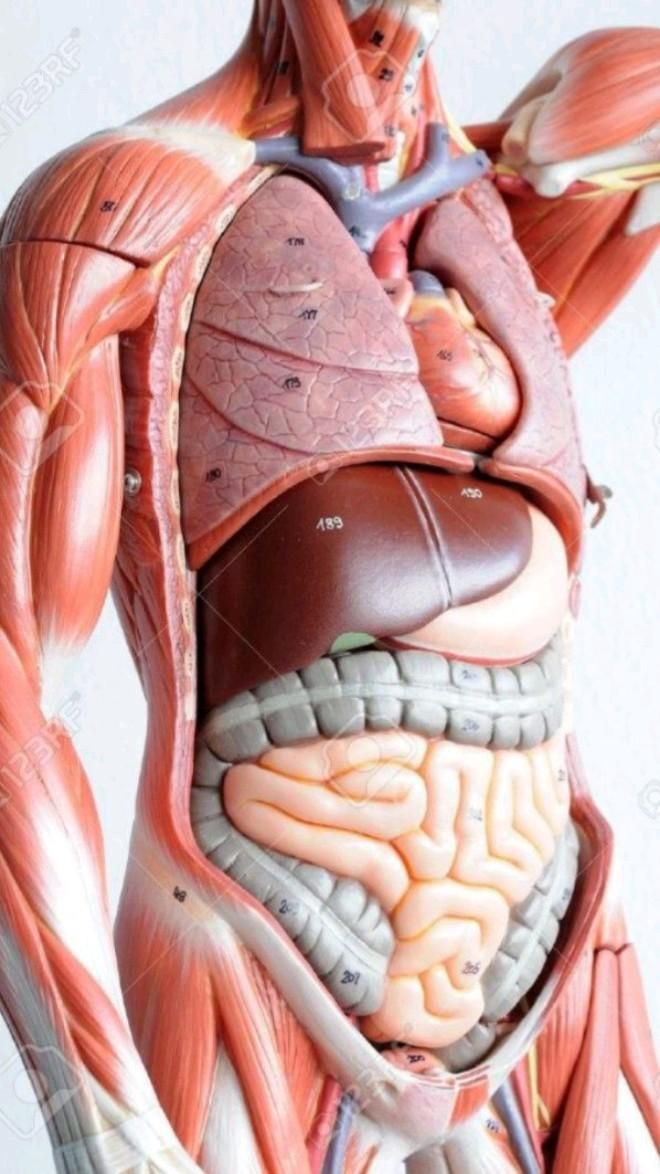
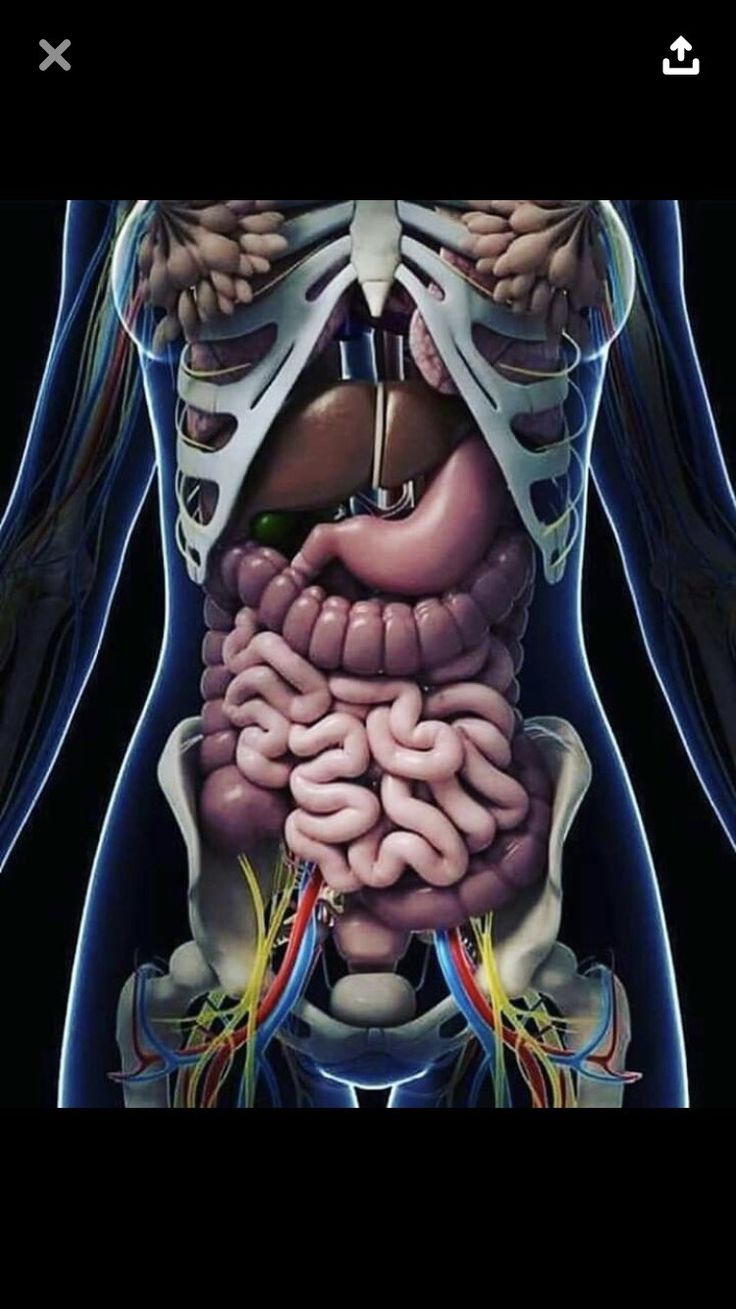
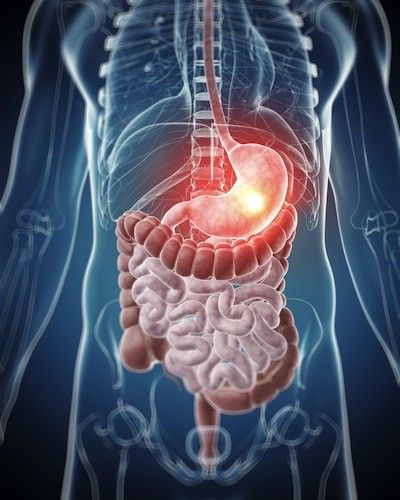
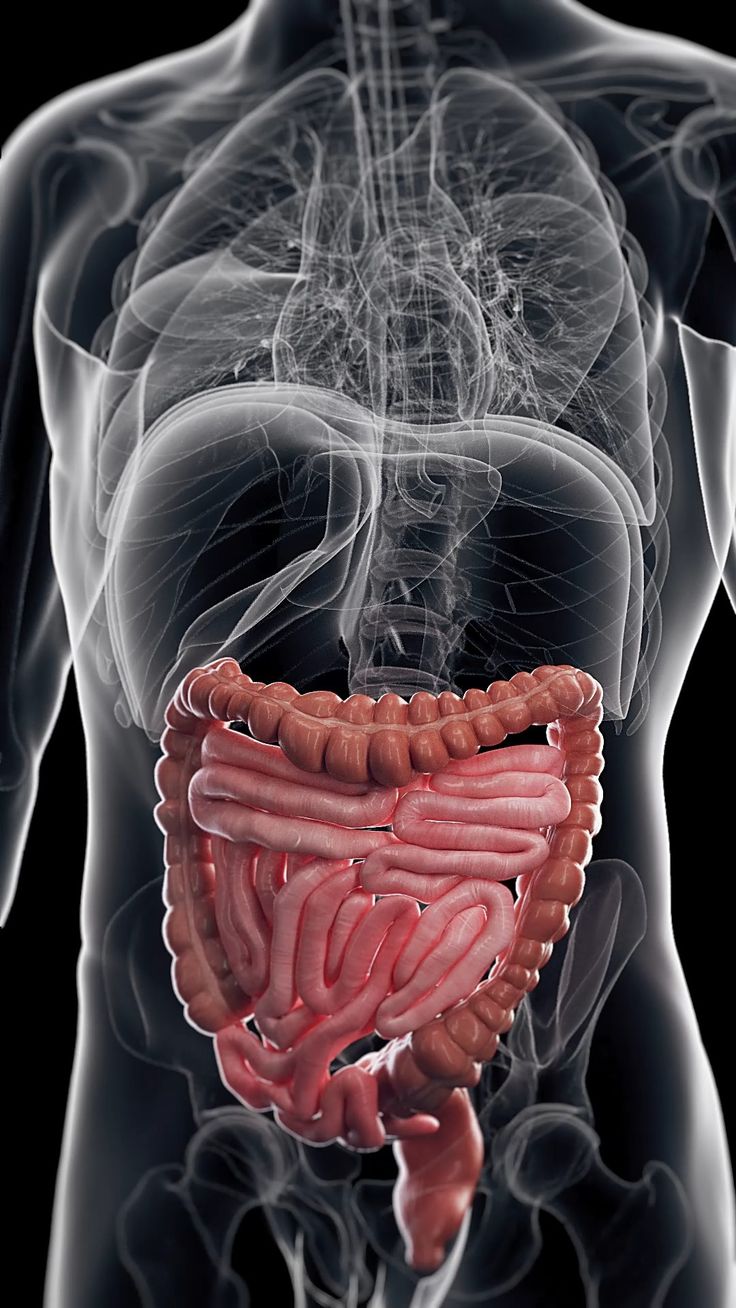
The Whipple procedure, also known as pancreaticoduodenectomy, is a major surgical procedure used primarily to treat pancreatic cancer, particularly tumors in the head of the pancreas. It involves removing the head of the pancreas, the duodenum (first part of the small intestine), part of the bile duct, the gallbladder, and sometimes a portion of the stomach. The surgery aims to remove the tumor and any surrounding lymph nodes, and then reconnect the remaining parts of the pancreas, bile duct, and small intestine to restore digestive function.
Types of Whipple procedure:
Classic Whipple Procedure: Removes the head of the pancreas, gallbladder, a portion of the common bile duct, the duodenum, and a part of the stomach. Reconstructs the digestive system by reconnecting the remaining pancreas, stomach, and bile duct. May be performed through an open incision or laparoscopically.
Pylorus-Preserving Whipple Procedure: Similar to the classic Whipple but preserves the pylorus (the lower part of the stomach). This modification aims to improve digestive function after surgery. May also be performed through an open incision or laparoscopically.

Symptoms:
Procedure:
1. Incision and Exposure:
The surgeon makes an incision in the abdomen, either a large one for open surgery or smaller ones for laparoscopic/robotic surgery.
The abdominal cavity is explored to assess for any spread of the disease.
2. Pancreas and Duodenum Mobilization:
The duodenum and head of the pancreas are mobilized, which involves carefully detaching them from surrounding structures.
Key structures like the gastroduodenal artery are identified and divided.
The neck of the pancreas is transected, while preserving the superior mesenteric vein and portal vein.
3. Resection:
The head of the pancreas, duodenum, bile duct, and gallbladder are removed as a single block.
In some cases, the pylorus (part of the stomach) may also be removed.
4. Reconstruction (Anastomoses):
Pancreaticoduodenectomy (Pancreatojejunostomy): The remaining pancreas is connected to the small intestine (jejunum) to allow pancreatic juices to flow into the digestive tract.
Hepaticojejunostomy: The bile duct is connected to the jejunum, allowing bile to flow into the small intestine.
Gastrojejunostomy: The stomach is connected to the jejunum, ensuring food can pass through the digestive system.
5. Closure:
The incision is closed, and the patient is carefully monitored in the recovery room.
Post-operative care includes pain management, early feeding, and mobilization to optimize recovery.
Recovery:
Recovery from a Whipple procedure, a surgery to remove part of the pancreas and surrounding areas, typically involves a hospital stay of 5-10 days, followed by a gradual return to normal activities over several weeks. Full recovery can take up to 2-6 months, depending on individual factors and any complications that may arise.
With any financial product that you buy, it is important that you know you are getting the best advice from a reputable company as often
With any financial product that you buy, it is important that you know you are getting the best advice from a reputable company as often
With any financial product that you buy, it is important that you know you are getting the best advice from a reputable company as often
With over 90% of health decisions based on diagnostic results, we are committed to being a trusted healthcare partner. Contact Us

Helping Patients Around the Globe!!
Building Positive & Safe Patient Focused Culture.
With the belief that knowledge is power, we empower patients by delivering clear and timely surgical outcomes, ensuring they have the vital information they need when it matters most. We care deeply about our patients and are committed to excellence in every procedure.

Name of the Founder

-
Health, Wellness and Insurance
-
97% customer satisfaction rate
-
Family Scholarship Program
While we believe we are more than just numbers, the depth of our laboratories is pretty impressive.
At every step of the surgical process, from consultation to recovery, we provide compassionate, efficient, reliable, and high-quality services. As a trusted partner supporting patients, healthcare providers, and entire healthcare systems, we leverage our surgical expertise to offer the best possible care while continuously investing in advanced surgical technology.
We will collaborate with you to develop personalized surgical plans, including the management of pre-existing conditions and postoperative care. If we are unable to assist directly, we can provide referrals or advice on the appropriate specialist to ensure all your concerns are addressed with the utmost care and sensitivity.
With any financial product that you buy, it is important that you know you are getting the best advice from a reputable company as often
With any financial product that you buy, it is important that you know you are getting the best advice from a reputable company as often
With any financial product that you buy, it is important that you know you are getting the best advice from a reputable company as often