
Hip Replacement
Hip replacement surgery, also known as hip arthroplasty, is a procedure to replace all or part of the hip joint with a man-made implant, or prosthesis. It's typically performed to alleviate pain and improve mobility caused by conditions like osteoarthritis, rheumatoid arthritis, or hip fractures.
What is Hip replacement?
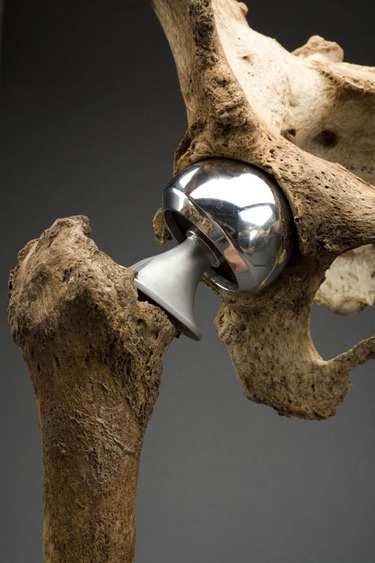
Hip replacement surgery, also known as hip arthroplasty, is a procedure to replace all or part of the hip joint with a man-made implant, or prosthesis. It's typically performed to alleviate pain and improve mobility caused by conditions like osteoarthritis, rheumatoid arthritis, or hip fractures. During the surgery, the damaged parts of the hip joint (the ball and socket) are removed and replaced with new, artificial components.
Types of Hip replacement:
Total Hip Replacement: This is the most common type of hip replacement. It involves replacing both the ball (head of the femur) and the socket (acetabulum) of the hip joint with artificial implants.
Partial Hip Replacement: This procedure is less common than total hip replacement. It involves replacing only the ball (femoral head) of the hip joint. Partial hip replacements are generally used in specific situations, such as treating certain types of hip fractures or removing tumors.


Symptoms:
Procedure:
1. Anesthesia:
The patient receives either general anesthesia (put to sleep) or regional anesthesia (numbing the lower body).
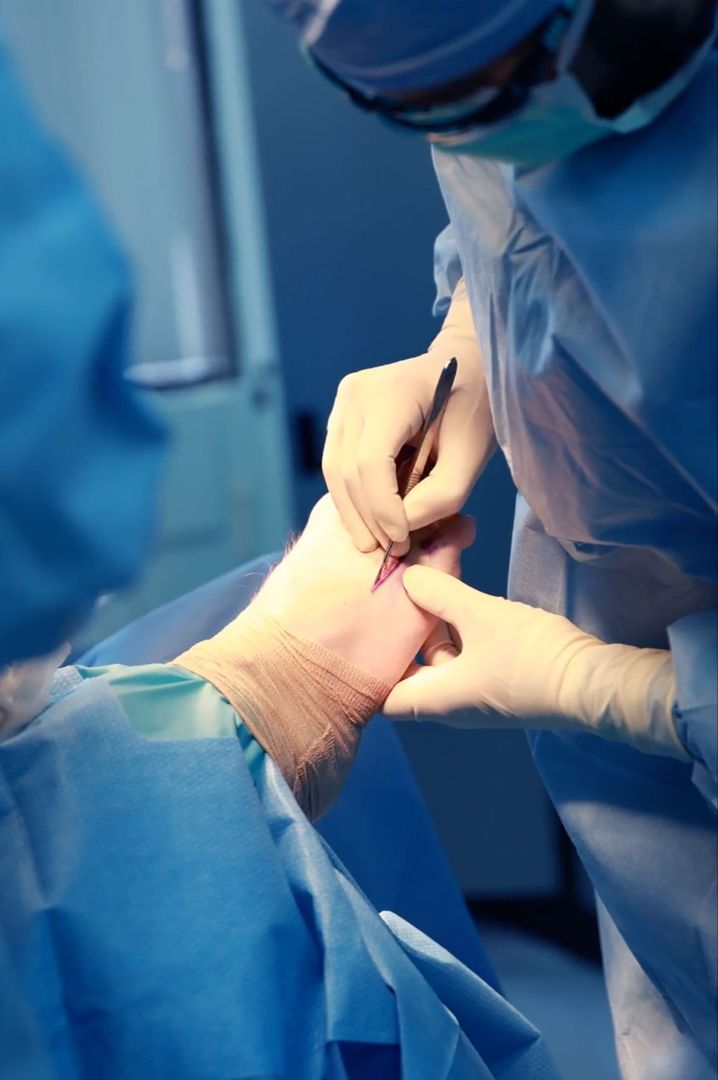
2. Incision:
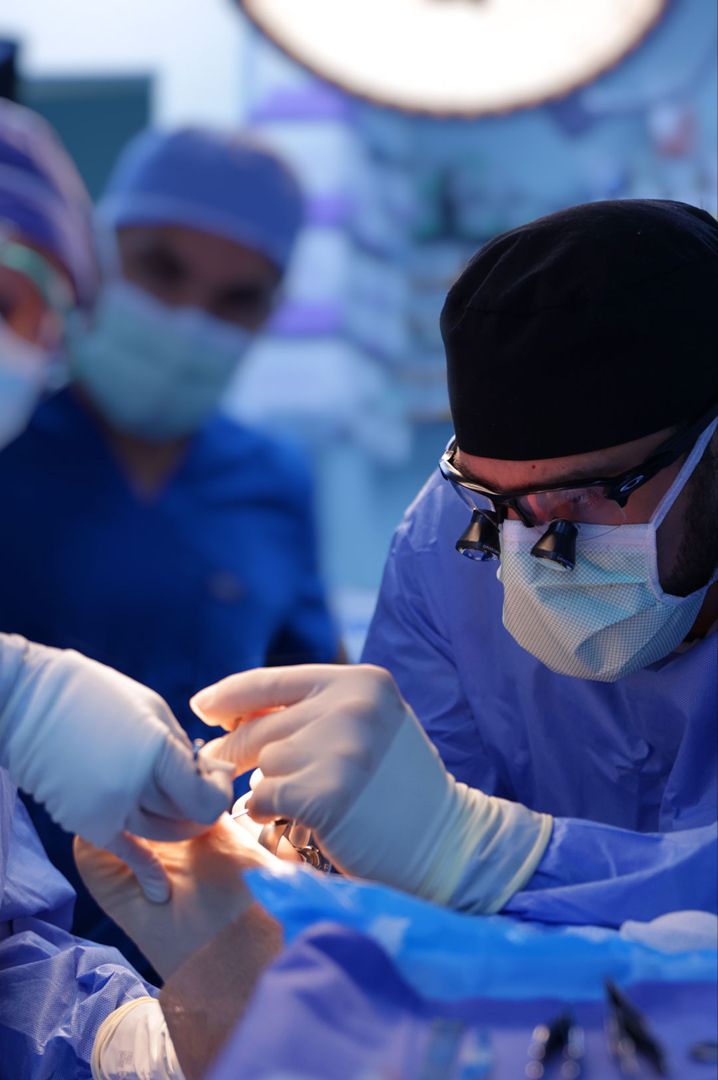
The surgeon makes an incision over the hip joint to access the damaged area.
3. Dissection:
The muscles are carefully separated to expose the hip joint.
4. Removal of Damaged Components:
The surgeon removes the damaged bone and cartilage from the femoral head (the ball part) and the acetabulum (the socket part).
5. Preparation of the Bones:
The bone surfaces are prepared to ensure a proper fit for the artificial components.
6. Implantation of Artificial Components:
The surgeon implants the prosthetic components, which typically include:
Femoral Stem: A metal stem is inserted into the thighbone (femur).
7. Closing the Incision:
The surgeon closes the incision, and stitches may be used or they may be dissolvable.
8. Drains and Post-operative Care:
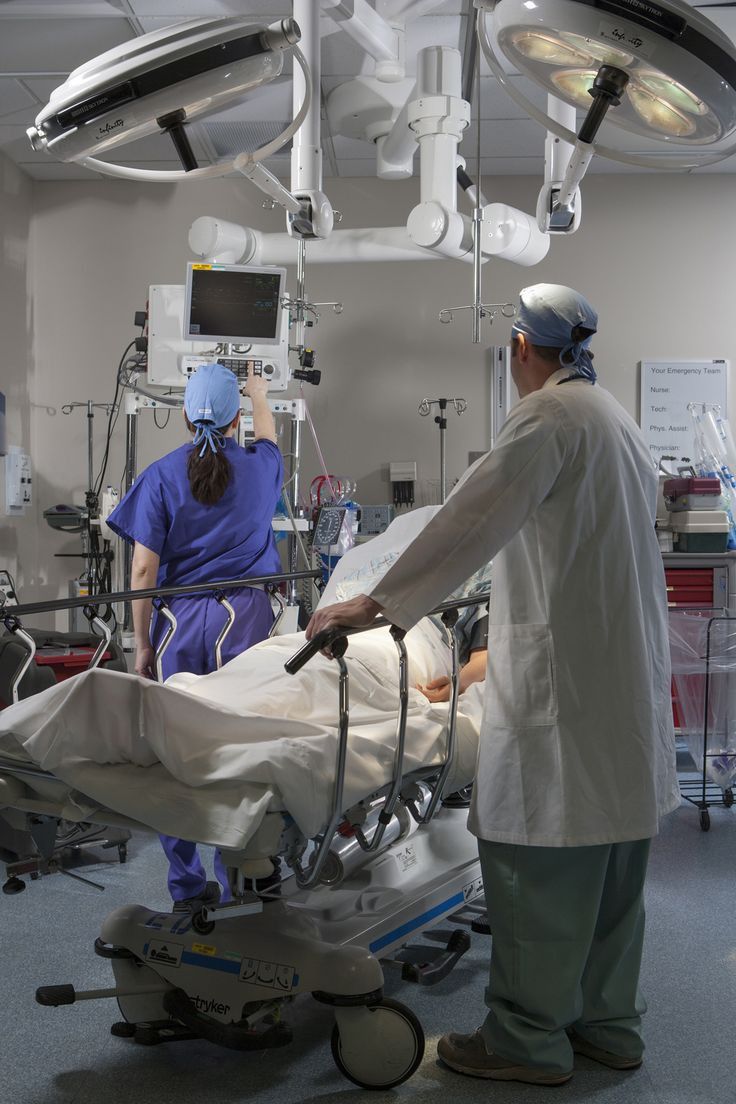
A drain may be placed to help drain any fluid, and the patient will be monitored in the recovery room and then moved to a hospital room.
Recovery:
Recovery from hip replacement surgery typically involves a gradual process spanning several weeks and months, with most individuals regaining most of their function within 6-8 weeks, and full recovery taking up to a year. Physical therapy plays a crucial role in restoring strength, mobility, and range of motion.
With any financial product that you buy, it is important that you know you are getting the best advice from a reputable company as often
With any financial product that you buy, it is important that you know you are getting the best advice from a reputable company as often
With any financial product that you buy, it is important that you know you are getting the best advice from a reputable company as often
With over 90% of health decisions based on diagnostic results, we are committed to being a trusted healthcare partner. Contact Us

Helping Patients Around the Globe!!
Building Positive & Safe Patient Focused Culture.
With the belief that knowledge is power, we empower patients by delivering clear and timely surgical outcomes, ensuring they have the vital information they need when it matters most. We care deeply about our patients and are committed to excellence in every procedure.

Name of the Founder

-
Health, Wellness and Insurance
-
97% customer satisfaction rate
-
Family Scholarship Program
While we believe we are more than just numbers, the depth of our laboratories is pretty impressive.
At every step of the surgical process, from consultation to recovery, we provide compassionate, efficient, reliable, and high-quality services. As a trusted partner supporting patients, healthcare providers, and entire healthcare systems, we leverage our surgical expertise to offer the best possible care while continuously investing in advanced surgical technology.
We will collaborate with you to develop personalized surgical plans, including the management of pre-existing conditions and postoperative care. If we are unable to assist directly, we can provide referrals or advice on the appropriate specialist to ensure all your concerns are addressed with the utmost care and sensitivity.
With any financial product that you buy, it is important that you know you are getting the best advice from a reputable company as often
With any financial product that you buy, it is important that you know you are getting the best advice from a reputable company as often
With any financial product that you buy, it is important that you know you are getting the best advice from a reputable company as often